Diabetes Symptoms: Early Signs and When to Get Tested
Frequent urination, unusual thirst, unexplained weight loss and blurred vision can be signs of diabetes — but many people have no symptoms at all. Learn the early warning signs, who should get tested and when symptoms need urgent medical attention.
Written by Dr. Sanjay Kumar K A · Medically reviewed by Dr. Sanjay Kumar K A, MD Anaesthesiology (Tue, 20 Oct 2026)
Published Tue, 20 Oct 2026 · 13 min read
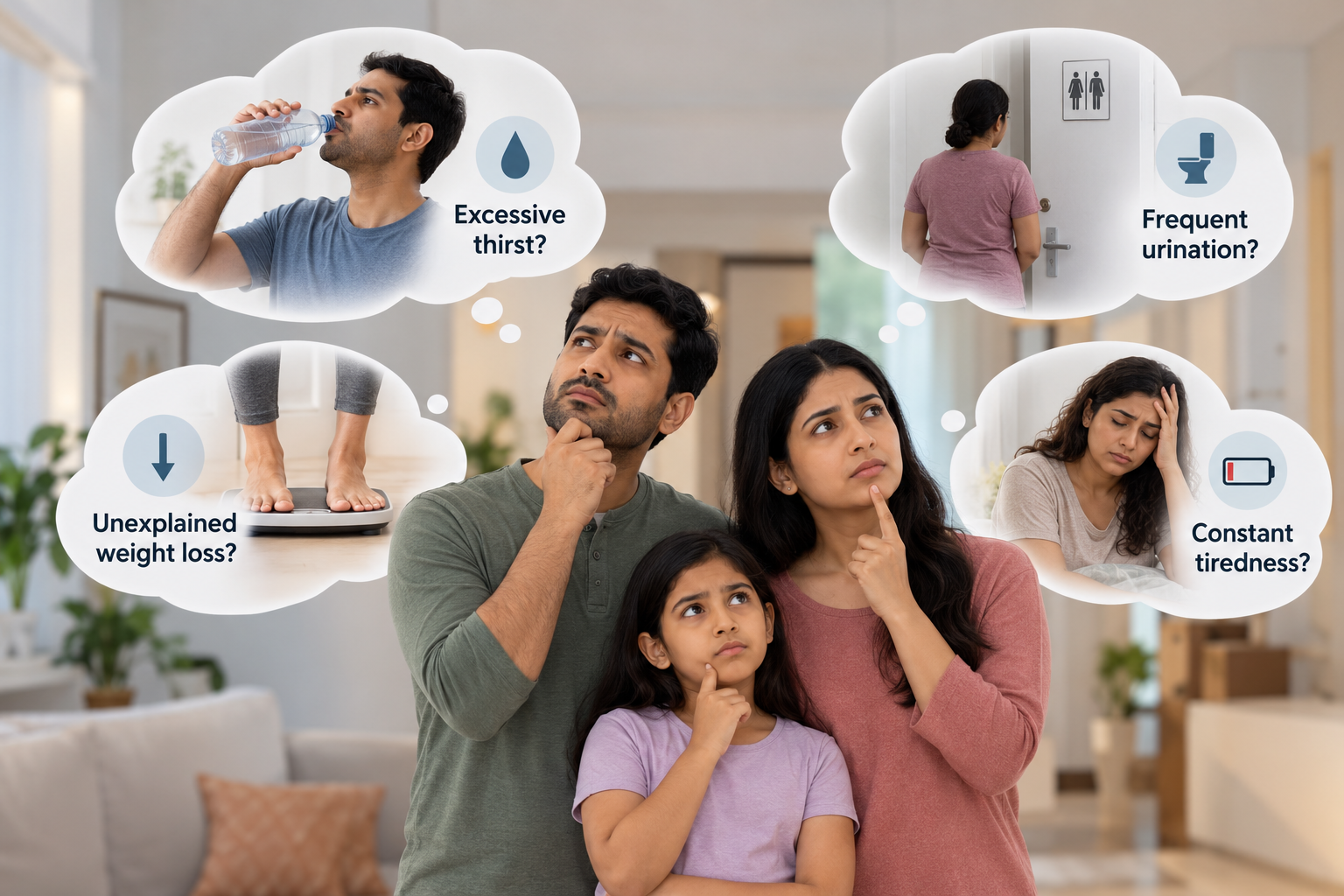
Diabetes does not always announce itself dramatically. Some people develop obvious symptoms such as frequent urination, unusual thirst, unexplained weight loss or blurred vision. Others — particularly people developing type 2 diabetes — may have mild symptoms or no noticeable symptoms for years. That is why diabetes should not be ruled out simply because you “feel fine.” The useful question is not only “Do I have symptoms?” but also “Do I have a reason to get tested?”
What are the early symptoms of diabetes?
- Urinating more often than usual
- Feeling unusually thirsty
- Increased hunger
- Losing weight without trying
- Persistent tiredness or weakness
- Blurred vision
- Recurrent genital or urinary infections
- Wounds that appear to heal slowly
- Generalised itching in some people
Why does diabetes cause frequent urination?
When blood glucose becomes sufficiently high, the kidneys may begin excreting more glucose into the urine. Water follows that glucose, which can increase urine production. This is why someone developing significant hyperglycaemia may notice that they are:- Going to the toilet more frequently- Passing larger amounts of urine- Waking repeatedly at night to urinate- Becoming unusually thirsty at the same timeThe combination of frequent urination plus persistent thirst is particularly worth paying attention to.
Is waking up to urinate at night a sign of diabetes?
It can be, but it is not specific to diabetes. Night-time urination can also occur because of high evening fluid intake, urinary problems, prostate enlargement, medicines such as diuretics, sleep disorders and several other conditions. A new pattern of frequent urination — especially when accompanied by marked thirst, unexplained weight loss or fatigue — is a reason to consider blood glucose testing rather than assuming diabetes from the symptom alone.
Why does diabetes make you thirsty?
Increased urine loss can leave the body trying to replace fluid. The result may be persistent thirst that feels out of proportion to the weather, exercise or usual fluid intake. People sometimes notice that they are carrying water everywhere, drinking through the night or still feeling thirsty shortly after drinking. Thirst by itself has many possible causes. It becomes more suggestive of high blood glucose when it occurs together with increased urination and other symptoms.
Can diabetes cause unexplained weight loss?
Yes. When the body cannot use glucose normally because there is too little effective insulin, it may increasingly break down stored fat and other energy reserves. This can lead to weight loss despite eating normally or even feeling unusually hungry. Unexplained weight loss is one of the classic symptoms recognised in diabetes diagnostic guidance and can be particularly noticeable when type 1 diabetes develops rapidly.
Can diabetes make you feel tired?
Fatigue is common but very nonspecific. High blood glucose, dehydration and impaired glucose utilisation can contribute to tiredness in diabetes, but fatigue can also result from anaemia, thyroid disease, inadequate sleep, infection, stress and many other conditions. Diabetes becomes a more plausible explanation when fatigue appears alongside other characteristic symptoms or when the person has important diabetes risk factors.
Can blurry vision be an early sign?
Yes. Changes in blood glucose can temporarily alter fluid balance within the eye and affect focusing, causing blurred vision. Long-standing diabetes can also damage the small blood vessels of the retina, but temporary blurred vision during significant hyperglycaemia is different from established diabetic retinopathy. New or sudden visual loss should not simply be attributed to diabetes and deserves prompt medical assessment. WHO recognises blurred vision as a common symptom of diabetes.
Do repeated infections suggest diabetes?
Recurrent infections can sometimes be associated with high blood glucose. Examples include repeated urinary or genital infections, particularly when they occur along with other symptoms. ICMR specifically includes recurrent urogenital infections among recognised diabetes symptoms, while CDC also lists recurrent urinary tract or yeast infections among possible signs. Repeated infection does not prove that someone has diabetes, but it may provide a reason to test when the wider clinical picture fits.
Do slow-healing wounds mean diabetes?
Not necessarily. Wounds can heal slowly for many reasons, including poor circulation, infection, pressure, nutritional problems and other illnesses. However, persistently high glucose can interfere with normal tissue repair and is associated with infection and vascular complications. ICMR includes delayed wound healing among symptoms that may occur with diabetes.A slow-healing wound deserves assessment regardless of whether diabetes is ultimately the cause.
Can you have diabetes without symptoms?
Yes — and this is one of the most important things to understand about type 2 diabetes. Symptoms may develop very gradually or remain so mild that they are not recognised. ICMR's diabetes guideline notes that more than half of people with diabetes may have no symptoms, while WHO notes that type 2 diabetes symptoms can be mild and may take years to become noticeable. That is why risk-based screening matters even when someone feels completely well.
Type 1 and type 2 diabetes can look different
| Feature | Type 1 diabetes | Type 2 diabetes | ||
| Symptom onset | Often relatively rapid | Often gradual | ||
| Symptoms | Can become pronounced | May be mild or absent | ||
| Age | Can occur at any age; common in younger people | More common in adults, but can occur younger | ||
| Weight loss | Can be prominent | May occur but is less consistently dramatic | ||
| Risk of acute insulin deficiency | High | Usually less abrupt | ||
| Treatment | Insulin is required | Treatment varies according to individual needs |
When should diabetes symptoms be treated as urgent?
Severe insulin deficiency can lead to diabetic ketoacidosis (DKA), particularly in people with type 1 diabetes, including those who have not yet been diagnosed. Seek urgent medical care when marked thirst and urination are accompanied by symptoms such as:
- Persistent vomiting
- Significant nausea
- Abdominal pain
- Rapid or deep breathing
- Severe weakness
- Increasing drowsiness or confusion
- Signs of significant dehydration
- A markedly unwell appearance
Who should get tested even without symptoms?
Testing should not be restricted to people who already have classic symptoms. India's national NCD programme uses population-based screening from age 30 years onward as part of early detection of diabetes and other noncommunicable diseases. Individual clinicians may recommend testing earlier or more frequently according to personal risk.
Risk factors that make testing more important
A parent or sibling with diabetesOverweight or obesityIncreasing waist circumferenceHigh blood pressureAbnormal cholesterol or triglyceridesPrevious gestational diabetesPolycystic ovary syndromeCardiovascular diseasePrevious prediabetesLong-term exposure to medicines that can increase glucoseOther conditions associated with insulin resistance
What tests are used if you have diabetes symptoms?
| Test | What it helps assess | ||
| Fasting plasma glucose | Blood glucose after an overnight fast | ||
| HbA1c | Average glucose exposure over the previous several weeks/months | ||
| Random plasma glucose | Glucose measured irrespective of meal timing; particularly useful with classic symptoms | ||
| 75-g oral glucose tolerance test | How the body handles a standard glucose load over time |
See the normal, prediabetes and diabetes blood sugar ranges
Understand your HbA1c result and what the percentage means
Can a home glucometer diagnose diabetes?
A home glucose meter can be useful for monitoring glucose, but it should not be treated as a substitute for appropriate laboratory testing when establishing a diagnosis. Diagnostic criteria are based on specified laboratory measurements and clinical context. If a home meter repeatedly shows unexpectedly high values — particularly when symptoms are present — contact a clinician and arrange appropriate confirmatory testing rather than attempting to diagnose yourself from one reading. Laboratory guidance recommends venous plasma glucose measured using appropriate laboratory methods for diagnostic testing.
Does one abnormal blood test mean you have diabetes?
Not always. When there is no clear hyperglycaemic crisis or classic symptomatic presentation, an abnormal diagnostic result generally requires confirmation with another abnormal result. That may involve repeating the same test or using another recognised diagnostic test. This matters because illness, laboratory variation and other factors can sometimes influence a single result.
What if fasting glucose is normal but you still have risk factors?
One normal test does not necessarily answer every possible question about glucose metabolism. Fasting glucose, HbA1c and the 2-hour glucose response assess different aspects of glucose regulation and do not identify exactly the same people. If symptoms or risk remain significant, the appropriate next test should be decided with a clinician rather than repeatedly checking random values at home.
Symptoms of diabetes in women and men
The core symptoms of diabetes are broadly the same in women and men: thirst, frequent urination, fatigue, blurred vision and unexplained weight loss. Some associated problems may be noticed differently. Recurrent genital infections, for example, can occur in people with high glucose and may prompt testing. There is no reliable separate checklist of “male diabetes symptoms” or “female diabetes symptoms” that can diagnose the condition without blood testing.
Symptoms that are commonly blamed on diabetes — but are not specific
| Symptom | Can occur with diabetes? | Important point | ||
| Dizziness | Sometimes | Has many other possible causes | ||
| Headache | Sometimes | Not a classic diagnostic symptom | ||
| Tingling feet | Can occur with diabetic neuropathy | Also has many other causes | ||
| Itching | Can occur | Not specific to diabetes | ||
| Sleepiness after meals | Can occur | Cannot diagnose diabetes | ||
| Sugar cravings | Not diagnostic | Craving sweets does not mean you have diabetes | ||
| Dark skin around neck/armpits | May indicate insulin resistance in some people | Needs clinical context | ||
| Leg cramps | Possible but nonspecific | Many causes exist |
What should you do if you think you have diabetes?
- Do not diagnose yourself from symptoms alone.
- Arrange an appropriate blood glucose or HbA1c test.
- Tell your clinician if symptoms are rapidly worsening.
- Mention important risk factors such as family history or previous gestational diabetes.
- Keep a note of medicines that could affect glucose.
- If the result is abnormal, follow the recommended confirmation process.
- Seek urgent care for severe vomiting, rapid breathing, confusion or significant deterioration.
Can diabetes testing be done at home?
Many routine laboratory tests used to evaluate diabetes can be collected at home by a trained phlebotomist, provided the test's preparation and timing requirements are followed correctly. For example, a fasting glucose sample requires appropriate fasting, while other tests may have different preparation requirements. Our next Diagnostics guides cover these procedures separately so that this symptoms article does not duplicate test-specific instructions.
Coming next: fasting blood sugar testing
The fasting blood sugar guide will explain: - How many hours to fast- Whether water is allowed- Whether tea or coffee breaks the fast- How medicines are handled- What time the sample should be collected- What can interfere with the result That article will own test preparation, while the existing Blood Sugar Levels Chart continues to own result interpretation.
Frequently asked questions
What are the first signs of diabetes?
Common early signs include increased thirst, frequent urination, fatigue, blurred vision, increased hunger and unexplained weight loss. However, type 2 diabetes can develop with very mild symptoms or no noticeable symptoms at all.
What are the three most common symptoms of undiagnosed diabetes?
The classic symptom pattern is frequent urination, increased thirst and unexplained weight loss, particularly when glucose has become substantially elevated. Not everyone develops this pattern, so absence of these symptoms does not rule diabetes out.
Can diabetes cause frequent urination without thirst?
It can, but frequent urination alone has many possible explanations. Diabetes becomes more likely when urinary frequency occurs alongside high glucose readings, thirst, weight loss, fatigue or other compatible features. Persistent urinary changes deserve proper assessment rather than being attributed automatically to diabetes.
Can you have diabetes and feel completely normal?
Yes. This is particularly common with type 2 diabetes. Symptoms can be subtle or absent for a prolonged period, which is why screening based on age and risk factors remains important even for people who feel healthy.
Should I test for diabetes if my parent has it?
A first-degree relative with diabetes is an established risk factor and can justify earlier or more frequent screening depending on your age, body composition and other risk factors. Discuss the appropriate testing interval with your clinician
Does craving sweets mean I have diabetes?
No. Craving sweet foods is not a diagnostic sign of diabetes. Diabetes is diagnosed using appropriate laboratory testing, not food cravings. If you have recognised symptoms or risk factors, testing is more useful than trying to interpret cravings.
Can diabetes cause tingling in the feet?
Diabetes can damage peripheral nerves over time and may cause numbness, burning or tingling, particularly in the feet. However, these symptoms have many other causes. Current diabetes guidance recommends assessment for peripheral neuropathy in people with diabetes rather than diagnosing diabetes from tingling alone.
When should I get tested for diabetes in India?
India's national NCD programme incorporates population-based diabetes screening for adults 30 years and older. Testing may be appropriate earlier when symptoms or important risk factors are present, such as family history, excess weight, previous gestational diabetes or other metabolic risk factors. ncd-test.mohfw.gov.in
References
- Guidelines for Management of Type 2 Diabetes Mellitus — Indian Council of Medical Research (2018)
- National Programme for Prevention and Control of NCDs Operational Guidelines — Ministry of Health & Family Welfare, Government of India
- Diabetes Q&A — World Health Organization
- Standards of Care in Diabetes 2026: Diagnosis and Classification — American Diabetes Association (2026) · source
This article is for general health education and does not replace advice from your doctor. Please consult a qualified professional about your specific situation.
Need care at home in Bengaluru? See MITRA services.
Related articles
Diabetes · 13 min read
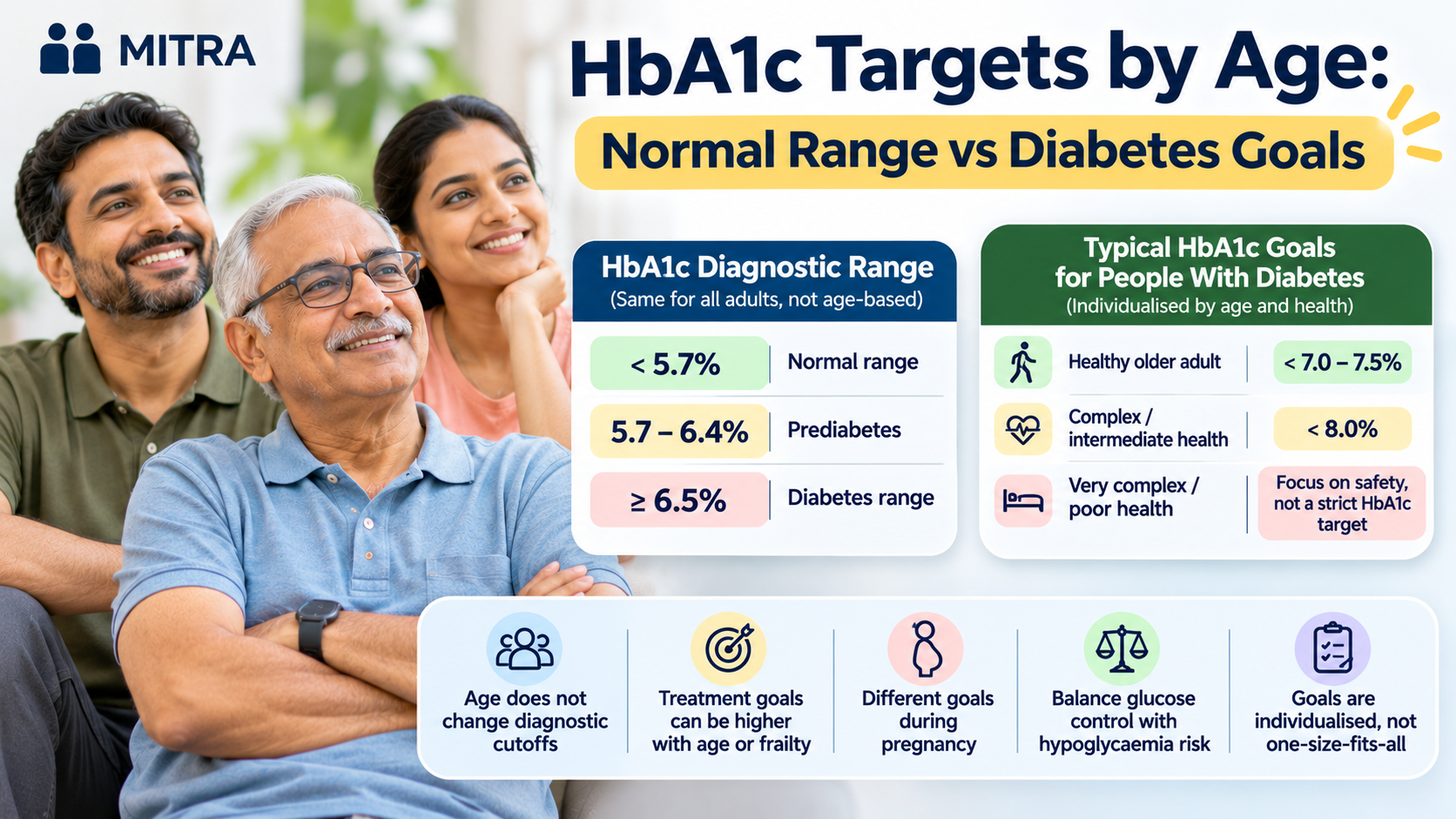
HbA1c Targets by Age: Normal Range vs Diabetes Goals
Does the normal HbA1c range change with age? Learn the difference between HbA1c diagnostic cutoffs and personal diabetes treatment targets, including goals for healthy adults, older adults, frailty and pregnancy.
Wed, 4 Nov 2026
Diabetes · 12 min read
When HbA1c Can Be Wrong: Anaemia, Kidney Disease & Other Causes
HbA1c is useful for estimating long-term glucose levels, but certain conditions can make the result falsely high, falsely low or difficult to interpret. Learn how anaemia, blood loss, transfusion, kidney disease, haemoglobin variants, pregnancy and altered red-cell turnover can affect HbA1c.
Wed, 4 Nov 2026
Diabetes · 11 min read
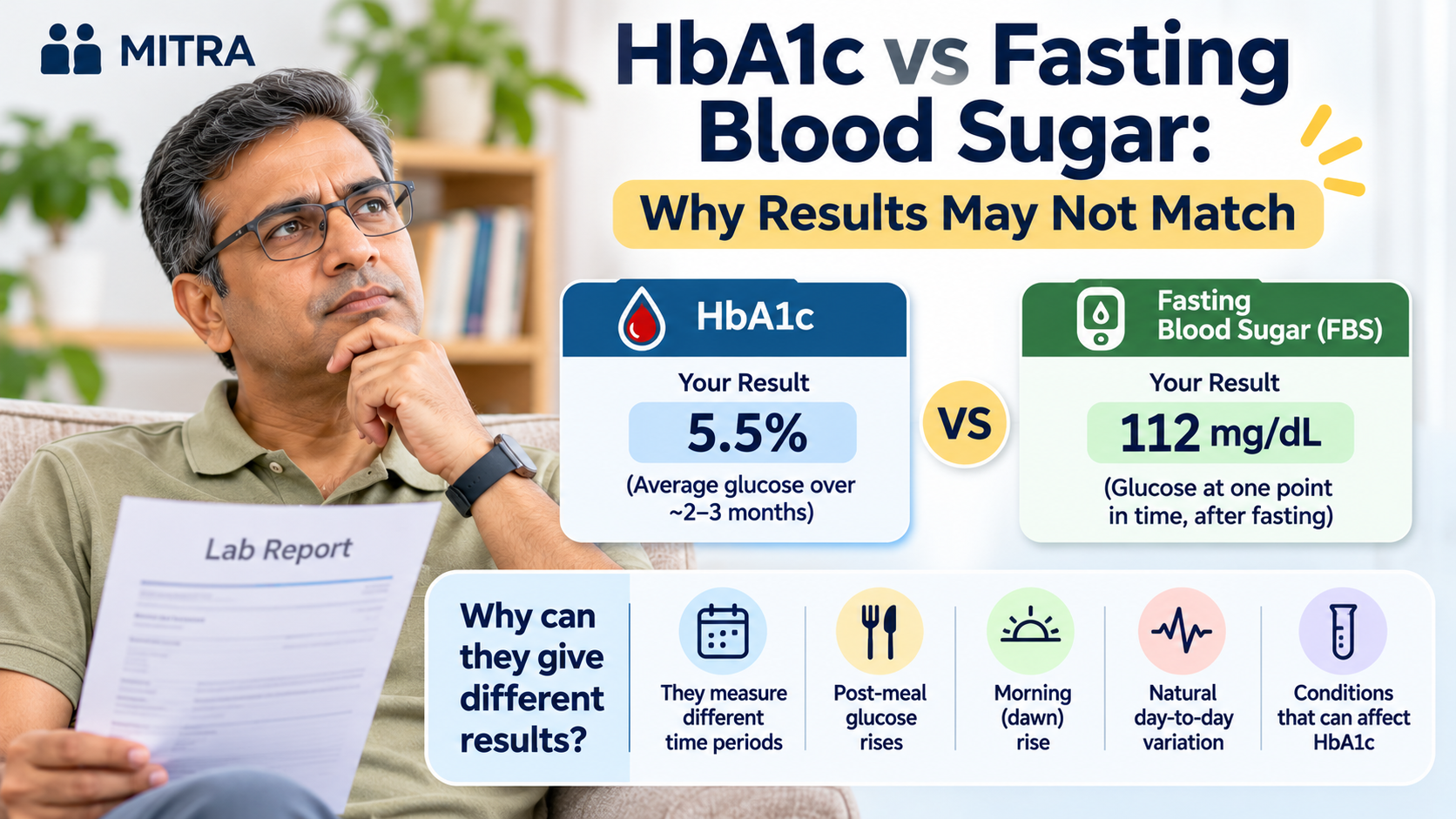
HbA1c vs Fasting Blood Sugar: Why Results May Not Match
Is your fasting blood sugar high but HbA1c normal — or HbA1c high despite a normal fasting glucose? Learn why these diabetes tests can disagree, which result matters, when testing should be repeated and when HbA1c may be unreliable.
Wed, 4 Nov 2026